
―
Q. What Is RE100?
―

▲ RE100 encourages companies to meet their electricity needs with renewable sources such as solar and wind power.Source: Sunhak Peace Prize
A. RE100 stands for “Renewable Electricity 100%.”
The initiative brings together major companies that have committed to sourcing all the electricity used in their operations from renewable sources. In practical terms, that means replacing fossil-fuel-based power with electricity generated from sources such as solar, wind, hydropower, geothermal energy, and other eligible renewables.
RE100 was launched in 2014 by the international nonprofit Climate Group in partnership with CDP. It is not a government treaty. Instead, it uses the purchasing power of companies to create demand for cleaner electricity.
The impact can spread well beyond a company’s own offices and factories. Large businesses often ask suppliers to reduce emissions and use more renewable electricity too. That creates a ripple effect across global supply chains.
▶ Related Video
Watch a short video explaining why companies are moving toward renewable electricity.
―
Q. Why Is RE100 Important?
―

▲ Replacing fossil-fuel-based electricity with renewable power is an essential part of reducing greenhouse-gas emissions.Source: Sunhak Peace Prize
A. Electricity is one of the biggest sources of global carbon emissions, so changing how companies purchase power can accelerate the energy transition.
The world has already entered a period of exceptional heat. The years from 2015 to 2025 were the eleven warmest years in the observational record, and 2025 remained far above the pre-industrial average. The message is clear: the transition away from fossil fuels needs to move faster.
RE100 helps by turning corporate electricity demand into a market signal. When hundreds of major buyers ask for renewable power, utilities, developers, and governments gain a stronger incentive to expand clean-energy supply and improve electricity markets.
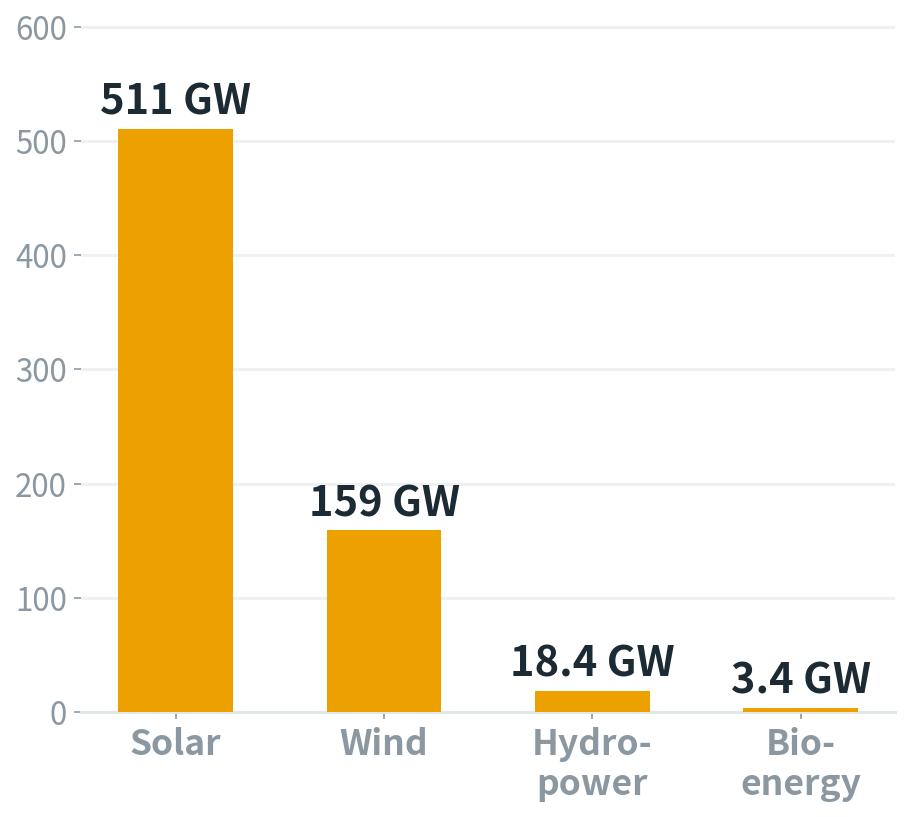
▲ Solar power accounted for 511 GW of the 692 GW of renewable capacity added in 2025, representing about 74% of the total.Source: IRENA, Renewable Capacity Statistics 2026
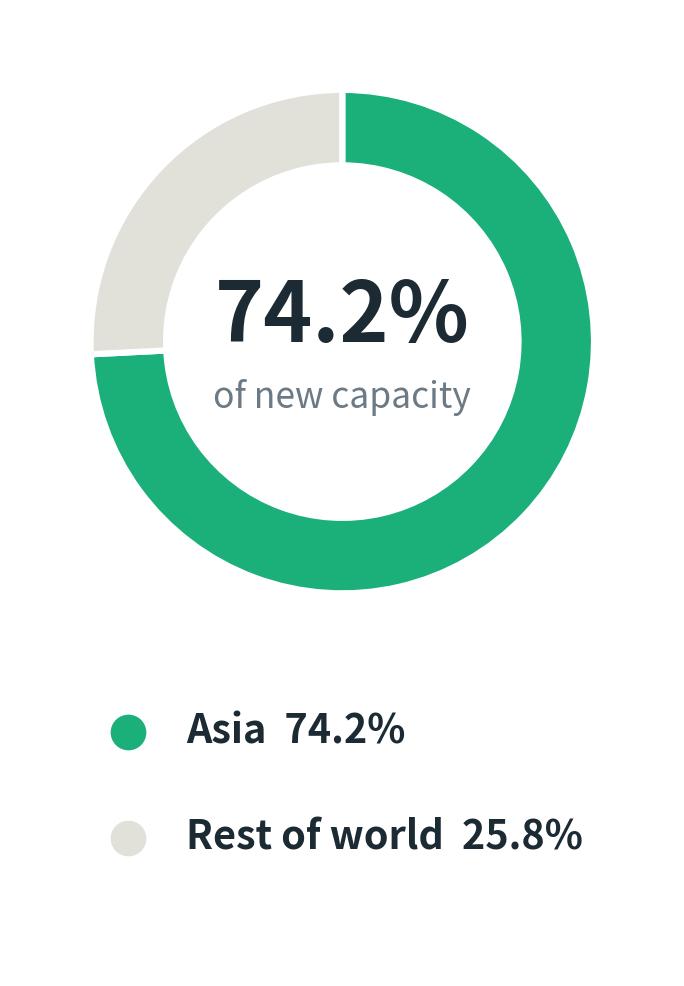
▲ Asia accounted for nearly three-quarters of renewable capacity added in 2025, while the Middle East and Africa also recorded strong growth.Source: IRENA, Renewable Capacity Statistics 2026
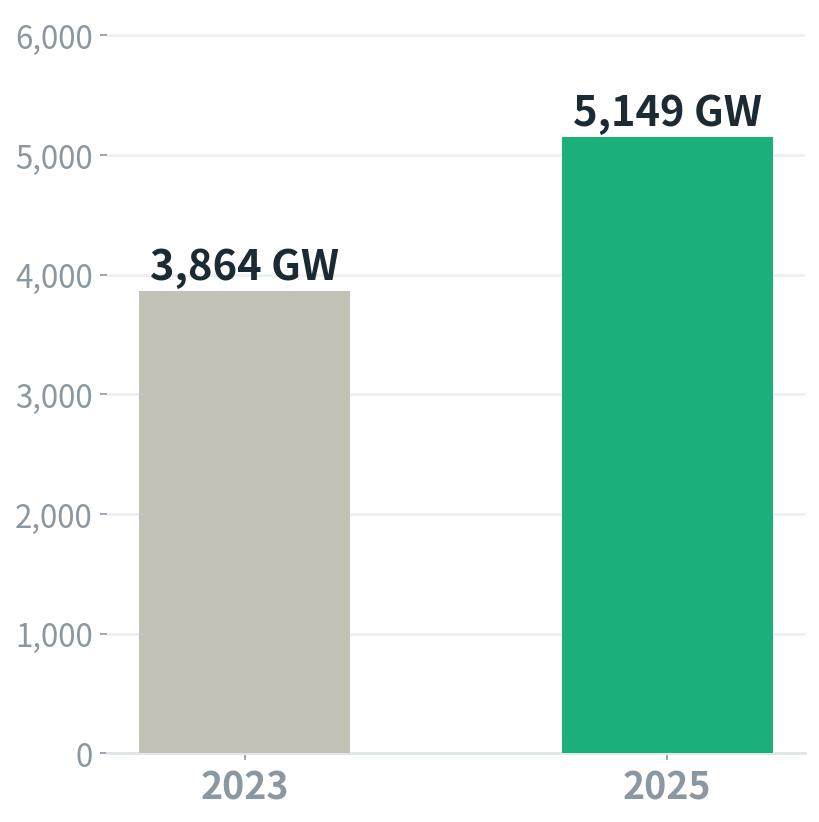
▲ Global renewable power capacity grew from 3,864 GW to 5,149 GW in two years, an increase of roughly 33%.Source: IRENA, Renewable Capacity Statistics 2026
―
Q. How Does RE100 Work?
―
A. A company sets a 100% renewable-electricity goal, then reports how it is increasing the share of eligible renewable power in its operations.
Companies do not all follow the same route. Their options depend on the electricity market, local regulations, and the scale of their operations. Still, the process can be understood in three broad steps.
Three Steps in the RE100 Journey
1. Set a target
The company commits to reaching 100% renewable electricity by a stated deadline and tracks its progress.
2. Produce renewable electricity
Where practical, a company can install solar panels, wind systems, or other generation at its own facilities.
3. Purchase renewable electricity
Companies can sign power-purchase agreements, buy renewable electricity products, or use recognized energy-attribute certificates where the market allows.
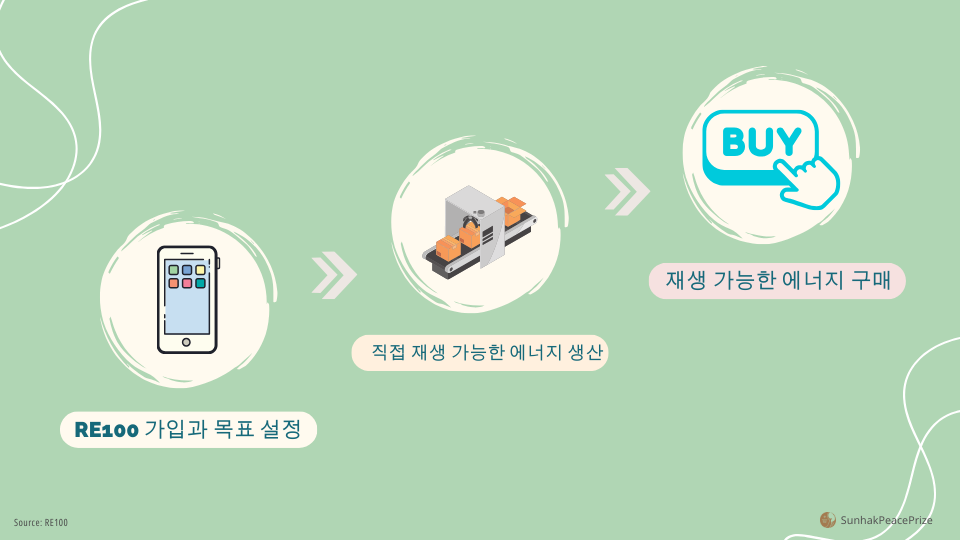
▲ Companies can meet renewable-electricity goals through on-site generation, direct contracts, green tariffs, and recognized certificates.Source: Sunhak Peace Prize
―
Q. How Large Is RE100’s Impact?
―
A. RE100 members collectively represent electricity demand on the scale of a major national market.
The initiative includes more than 400 major companies operating across over 150 markets. Together, they use more than 550 TWh of electricity each year. That scale gives their purchasing decisions real influence over power markets.
The value of RE100 is not only the electricity already purchased. Member commitments can support new renewable projects, help establish clearer procurement systems, and show governments where businesses need better access to clean power.
―
Q. Which Companies Have Joined RE100?
―
▲ Global companies from technology, finance, manufacturing, retail, and consumer industries participate in RE100.Source: Sunhak Peace Prize
A. Members include well-known companies such as Apple, Google, Microsoft, Adobe, SK hynix, Airbnb, Burberry, and Chanel.
Their strategies differ. Some sign long-term contracts with renewable-energy developers. Others install clean-energy systems at their own sites, purchase certified renewable electricity, or work with suppliers to reduce emissions across the value chain.
What matters is that each company’s claim must be supported by credible procurement and reporting. A public commitment alone is not enough.
Explore the Member List
―
Q. What Technical Rules Does RE100 Use?
―
A. The central question is simple: what counts as credible renewable electricity?
RE100’s technical guidance defines eligible energy sources and sets expectations for how companies should procure, document, and report renewable electricity. These safeguards help prevent vague or misleading claims.
Four Core Technical Principles
1. Eligible renewable sources
Electricity must come from recognized renewable sources, with sustainability safeguards where relevant.
2. Support for newer generation
RE100 procurement guidance encourages purchases that help bring newer renewable projects into the market, subject to defined exceptions and market conditions.
3. Reliable energy-attribute tracking
Claims must be backed by instruments such as Energy Attribute Certificates, with the claimed volume matched to electricity consumption.
4. Appropriate market boundaries
Renewable-electricity claims should follow the geographic rules of the market in which the electricity is consumed.
These rules are technical, but their purpose is straightforward: to make sure “100% renewable electricity” means something measurable and credible.
―
Taking Climate Action with RE100
―
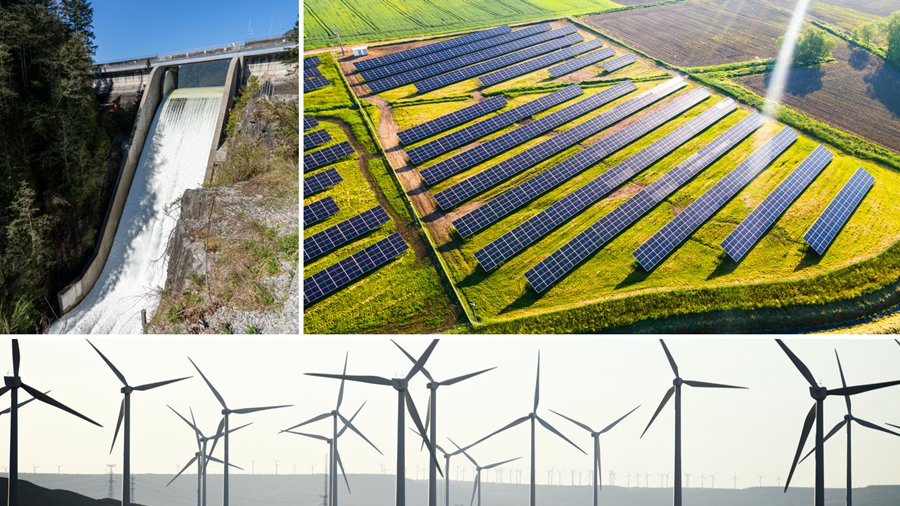
▲ Consumers, companies, investors, and governments all have a role in expanding renewable electricity.Source: Sunhak Peace Prize
RE100 is designed for companies, but citizens still matter. Consumers can look at how brands source electricity, support businesses with credible climate plans, and ask companies to report their progress clearly.
We can also support policies that expand renewable generation, modernize electricity grids, and make clean power more accessible. Corporate commitments work best when public policy and energy infrastructure move in the same direction.
The transition to renewable electricity is not only an environmental goal. It is part of building a safer, fairer, and more sustainable future.
Three Ways to Support the Transition
1. Check corporate climate claims
Look for clear targets, annual progress reports, and credible renewable-electricity procurement.
2. Choose responsibly
Where practical, support companies that are making measurable progress toward cleaner energy.
3. Support better energy policy
Encourage policies that expand renewable power, storage, grids, and fair access to clean electricity.
Written by Sharon Choi
Director of Planning, Sunhak Peace Prize Secretariat
References and Further Reading
1. Climate Group, RE100 official website
4. IRENA, Renewable Capacity Statistics 2026
5. WMO, State of the Global Climate