
—
파리의 작은 카페가 세계를 놀라게 한 이유는 무엇일까요?
—
 \
\
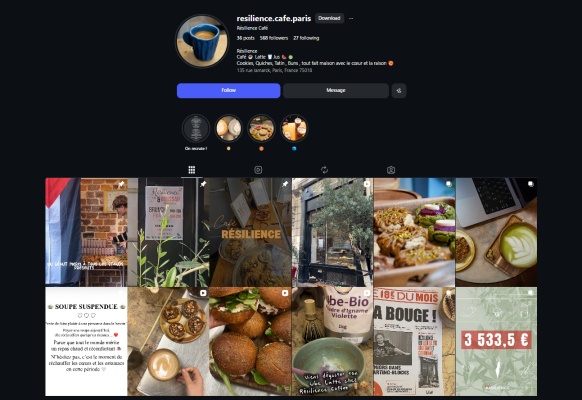
2024년 봄, 파리 10구에 있는 작은 카페 하나가 프랑스뿐 아니라 전 세계 언론의 주목을 받았습니다.
카페 이름은 '라 레질리앙스(La Résilience)'로, '회복력'을 의미합니다.
이곳의 바리스타들은 모두 난민 출신입니다. 에리트레아에서 군 징집을 피해 도망친 젊은이, 시리아 내전을 겪은 또 다른 남성, 그리고 우크라이나 폭격을 피해 탈출한 젊은이들이 있습니다.
그들은 커피 만드는 법을 배우기 전에 먼저 프랑스어를 배웠습니다. 그런 다음 바리스타 교육을 받고 고객 앞에 섰습니다.
언론이 이 카페에 주목한 이유는 단순히 "감동적인 이야기"였기 때문만은 아니었다. 프랑스 정부의 지원을 받은 난민 고용 및 사회 통합 시범 사업이 실질적인 성과를 거두었기 때문이다.
12개월 고용 유지율은 71%였습니다.
같은 연령대의 저숙련 청년층의 평균은 52%였습니다.
이 카페 이야기는 우리에게 중요한 사실을 알려줍니다. 난민 통합은 단순한 호의에 그칠 수 없으며, 효과적인 정책으로 발전할 수 있다는 것입니다.
우리는 난민을 흔히 "도움이 필요한 사람들"로만 바라봅니다.
하지만 이 카페는 상황을 바꿔놓았습니다.
"우리가 그들에게 무엇을 줄 수 있을까?" 가 아니라,
하지만 "어떻게 협력할 수 있을까요?"
그 순간, 동정심은 동반자 관계로 변한다.
—
난민 통합이란 무엇인가요?
"돕는 것"이 아니라, 함께 살아가는 법을 배우는 것
—
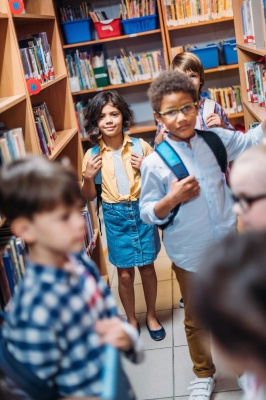
어느 날, 새로운 학생이 당신의 반으로 전학을 왔습니다.
그들은 아직 언어에 능숙하지 않고, 유니폼도 다르고, 쉬는 시간에는 혼자 서 있다.
아이에게 연필과 공책을 주는 것은 도움이 됩니다.
하지만 한 걸음 더 나아가 학생들이 수업 내용을 이해하도록 돕고, 짝을 지어 학급 앞에서 발표하도록 하는 것, 그것이 바로 통합 교육입니다.
난민 통합도 마찬가지입니다.
단순히 음식을 제공하는 것으로 끝나는 것이 아닙니다.
이는 사람들이 매일을 함께 살아갈 수 있도록 하는 것에 관한 것입니다.
유엔난민고등판무관실(UNHCR)은 난민 통합을 다음과 같이 정의합니다.
"난민들이 새로운 사회에서 경제적, 교육적, 사회적 자립을 회복하고 존엄하게 살아가는 과정."
여기서 중요한 단어는 "지지"가 아닙니다.
하지만 자립심 과 존엄성.
통합은 자선이 아닙니다.
그것은 구조물입니다.
It is not about keeping someone inside a fence of protection, but about designing a society where they can open the door and step forward on their own.
Refugee integration is not a policy for helping “pitiful people.”
It is a design for ensuring that different lives can continue moving within the same society.
―
The Age of Refugees, Told Through Numbers
―
“We are now living through the largest era of forced displacement since World War II.”
This is how the UNHCR Global Trends 2023 report defines the moment we are in.
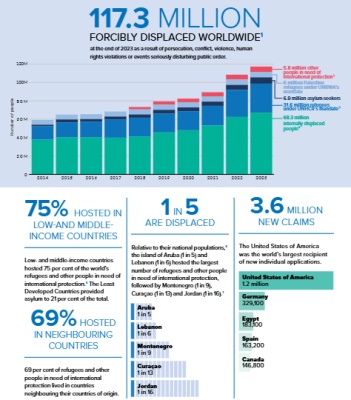
Source: UNHCR
As of 2023, the number of forcibly displaced people worldwide stood at approximately 117.3 million.
That means 1 in every 69 people is living away from home.
But there is another number that matters even more.
52% of refugees have remained in the same country for more than five years.
Five years is enough time for a child to be born and enter school.
It is enough time for a teenager to become an adult.
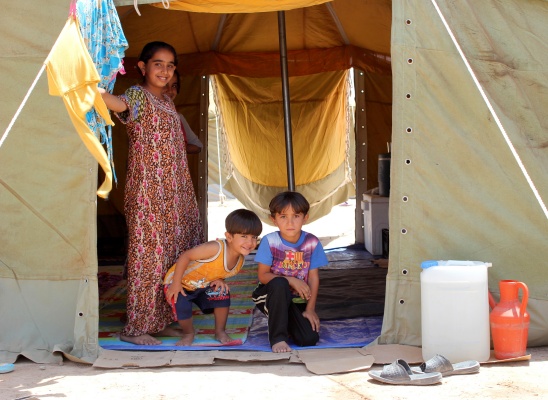
And yet, during all that time, refugees are still described as “temporary.”
But life does not pause temporarily.
Children grow.
Parents grow older.
Seasons return.
This number tells us something important:
We can no longer treat refugees only as an emergency.
Relief helps people get through a moment.
Integration designs the time that comes after.
What we need now is not only warm relief supplies, but institutions that can work over the long term.
Source: Reuters
Then the questions follow.
Does integration really cost less?
Will it increase the tax burden?
How should conflicts with local residents be handled?
Can we ignore cultural tensions and concerns about crime?
These concerns are not trivial.
In reality, unprepared reception can intensify competition for housing, increase tensions in the labor market, and even become fuel for political extremism.
But the important question is not whether refugees arrive.
It is how we receive them.
What studies by the OECD and the World Bank commonly show is this:
when language, employment, and housing policies function systematically during the first three to five years, the net fiscal burden falls sharply, while employment and tax revenue effects become visible.
Conflict exists.
But conflict grows from the failure of integration, not from integration itself.
If unprepared reception is a cost, designed integration is closer to an investment.
―
The Six Pillars of Refugee Integration
―
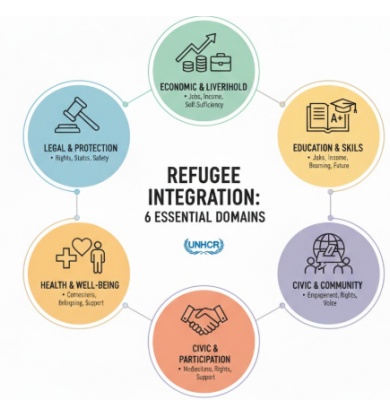
Source: UNHCR
Life does not function through a single policy.
The Forced Displacement Report 2023 by the World Bank and UNHCR explains refugee integration through six pillars.
“Refugee integration is not a single policy, but a combined structure of law, employment, education, health, society, and civic participation.”
Integration is like a puzzle.
If even one piece is missing, the whole picture cannot be completed.
① Legal Integration: Life Begins with Status
In 2021, Colombia made a decisive choice.
It granted 10-year temporary protection status to 1.9 million Venezuelan refugees.
The results were remarkable.
● The rate of informal labor decreased by 30%
● The number of tax registrants rose sharply
● Local crime rates declined
Legal status may be just a piece of paper.
But that piece of paper can lift a person from the “shadows” to the edge of civic life.
② Economic Integration: Numbers Respond Most Honestly
According to the OECD’s How Are Refugees Faring? (2023), refugees face unemployment rates two to three times higher than general migrants in the early stages after arrival.
However, when language education, vocational training, and employment connections are provided, the employment rate rises by 1.7 times.
A job is not the endpoint of welfare.
It is the starting line of integration.
The moment refugees begin paying taxes, they are no longer called a “burden,” but a “contributor.”
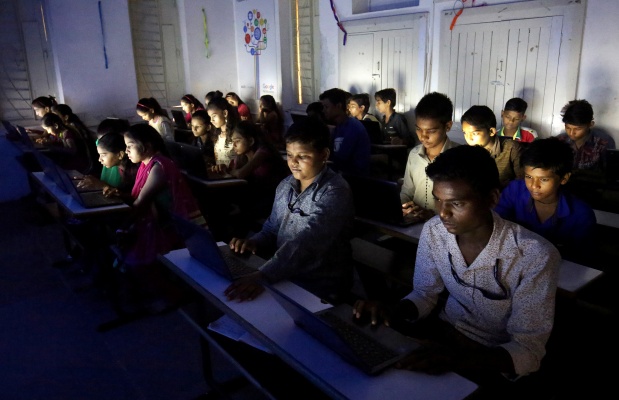
③ Educational Integration: Peace Begins in the Classroom
According to the UNHCR Education Report 2023, 48% of refugee children do not receive secondary education, and only 6% go on to higher education.
But the report adds:
“One educated refugee returns to society more than ten times the economic contribution of the support they received over a lifetime.”
Classrooms last longer than borders.
The child sitting in a classroom today is tomorrow’s taxpayer, neighbor, and colleague.
Source: Reuters
④ Health and Psychological Integration: Untreated Trauma Spreads into Society
The WHO reports that 30–40% of refugees experience PTSD, depression, or anxiety.
The war may be over, but the memory of war remains in the body.
Among groups that received integrated medical support, mental health indicators improved by 45%.
Healing is not only a personal issue.
It is a matter of community safety.
When trauma is left untreated, it becomes isolation.
And isolation can become conflict.
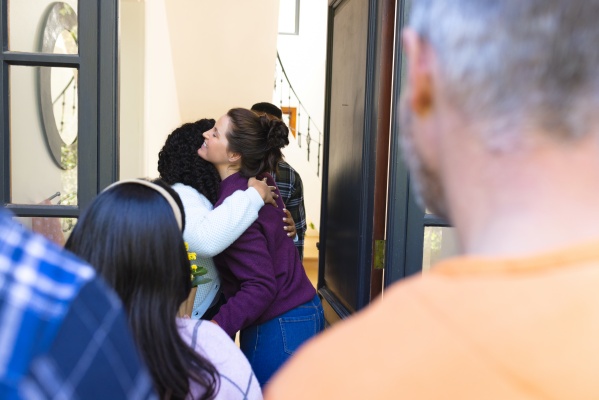
⑤ Social and Cultural Integration: People Need the Experience of Living Together
Integration cannot be achieved through institutions alone.
People need to work together, learn together, and spend time in the same spaces.
Integration grows not from legal clauses,but from everyday contact.
For “those people” to become “people from our neighborhood,”
what is needed is not statistics, but experience.
⑥ Civic Integration: A Community Begins When People Have a Voice
The final pillar is participation.
When refugees can take part in volunteering, local meetings, and civic projects, they move from being “people to be protected” to members of the community.
투표권이 없더라도 사람들에게는 발언권이 필요합니다.
사람들이 자신의 의견을 표현할 수 있을 때 비로소 진정한 사회의 일원이 될 수 있다.
...
이 여섯 가지 영역은 별도의 체크리스트 항목이 아닙니다.
합법적인 체류 자격이 없으면 일할 수 없습니다.
교육 없이는 고용이 지속될 수 없습니다.
치유가 없으면 사회적 갈등은 심화됩니다.
참여가 없으면 통합은 멈춘다.
그렇기 때문에 통합은 단일한 정책 노선이 아닙니다.
이는 사회 전체를 위한 청사진입니다.
—
난민 통합은 "평화의 기술"이다.
—
난민 통합은 동정의 정책이 아닙니다.
이는 감시 정책도 아닙니다.
이는 사람들이 서로 안전하게 공존할 수 있도록 해주는 사회적 기술입니다.
유엔개발계획(UNDP)은 '극단주의로 가는 여정 2023' 보고서에서 다음과 같이 밝혔습니다.
“사회 통합은 극단주의를 예방하는 가장 강력한 도구 중 하나입니다.”
교육을 받지 못한 아이는 난민이기 때문에 취약해지는 것이 아니라, 기회가 부족하기 때문에 취약해집니다.
일자리를 구할 수 없는 젊은이가 불안해지는 것은 외국인이기 때문이 아니라, 인간관계와 소속감에서 소외되었기 때문이다.
그렇기 때문에 통합이 더욱 활발해질수록 사회는 더욱 조용하고 안전해진다.
유엔난민기구(UNHCR) 고등판무관 필리포 그란디(Filippo Grandi)는 다음과 같이 말합니다.
"난민들이 사회에 어떻게 통합되느냐가 그 사회가 얼마나 강해질 수 있는지를 결정짓습니다."
결국 문제는 이것입니다:
우리는 난민들을 언제까지 "손님"으로 대할 것인가?
그렇다면 우리는 언제 그들을 "이웃"으로 맞이할까요?
역사는 우리에게 분명한 사실을 보여줍니다.
사람들을 받아들인 후 붕괴한 사회는 있었지만, 그들을 배제함으로써 오랫동안 평화를 유지한 사회는 결코 없었다.
난민 통합은 선택의 문제가 아닙니다.
이는 이미 시작된 현실에 대한 태도의 문제입니다.
그리고 그러한 태도가 우리의 미래를 결정할 것입니다.
참고자료 및 출처
난민 통합 및 강제 이주 통계
세계 동향: 2023년 강제 이주 — 유엔난민고등판무관(UNHCR) 공식 보고서
난민 통합의 개념
유엔난민기구(UNHCR)의 "난민 통합" - 공식 정의
강제 변위의 구조적 틀
2023년 강제 이주 보고서 - 세계은행 및 유엔난민고등판무관실.
경제 통합 및 고용
2023년 국제 이주 전망 — OECD 보고서: 이주 동향, 노동 시장 통합 및 경제적 결과.
보충/검증 자료
유엔난민고등판무관실(UNHCR) 2023년 세계 동향 보고서 PDF — 유엔난민고등판무관실